
Protecting Your Car Wrap from Sun Damage and Fading

Car Wrap

A car wrap does more than just show off your style. It’s a layer of protection, a quick brand touchpoint, and a cost-effective way to turn heads on the road. Whether it’s a full-body design or a simple color change, adding a vinyl wrap to your car can bring both personality and function. But just like your car’s paint job, a wrap needs proper care if you want it to last.

One of the biggest threats to your wrap’s look is sun exposure. Long hours in direct sunlight can cause the colors to fade and the material to weaken. By the time the damage shows, you’re already on the hook for repairs or a full replacement. That’s why staying on top of car vinyl wrap maintenance is a smart move. It saves you time, keeps your car looking sharp, and avoids higher costs down the road.

Understanding Sun Damage and Fading

Direct sunlight is a major factor in how long your wrap stays in good shape. UV rays from the sun wear down the vinyl material over time. They cause fading, drying, and in some cases, cracking or peeling. Bright colors like red, orange, or yellow are usually the first to show signs of fading, but darker tones are no exception.

It’s not just the color that’s at risk. As UV exposure breaks down the top layer of the vinyl, it becomes less flexible. That makes your wrap more likely to develop bubbles, edges that lift, or even sections that peel off completely. And once dirt and moisture sneak under those loose spots, the problem can get worse fast.

Here are a few signs your wrap might be taking sun damage:

– The colors don’t look as bold or rich as they did before

– Your wrap feels rough or brittle compared to when it was first installed

– There are cracks, small tears, or areas starting to peel

– You see uneven fading where different parts of the car get more sunlight

Think of your car like someone who spends too much time outside without sunscreen. Little by little, the exposure takes a toll. A client once came in with a work van that looked almost new everywhere except for the hood and roof. Those two areas faded badly within just one summer from daily sun exposure while parked uncovered. The vinyl wasn’t faulty. It just needed better protection.

Sun damage isn’t always dramatic at first, but it has a slow and steady effect. The better you understand how it works, the sooner you can take steps to keep fading from creeping in and affecting the lifespan of your wrap.

Preventative Measures to Protect Your Car Wrap

Once you understand how the sun affects your wrap, taking steps to protect it becomes a must. You don’t need to change your whole lifestyle, but adding a few simple habits can make a big difference in how your wrap looks years from now. Parking decisions, cleaning habits, and even what products you use all matter more than most people think.

Here are a few ways to help protect your wrap from sun damage:

1. Park in the shade: If you’re out running errands or at work, try grabbing a shaded spot under a tree or building. A little cover goes a long way, especially during late summer days in places like Albany, Oregon, where temperatures stay high through September.

2. Use a car cover: Consider investing in a breathable, fitted cover if your car sits outside for long periods. It acts like sunscreen for your car and stops UV rays from heating up the vinyl.

3. Wash your car regularly: Dust, dirt, and even bird droppings can wear out the wrap, especially when baked on in the sun. Use soft cloths, gentle soap, and rinse it off completely to avoid buildup.

4. Apply UV vinyl protectant: There are products made to shield your wrap from the sun. Just make sure it’s wrap-safe and doesn’t have harsh chemicals.

5. Avoid harsh cleaners: Skip strong solvents and detergents. They break down the finish and make the wrap more likely to crack and fade.

Adding these steps to your routine takes little effort, but the payoff is huge. Over time, wraps treated with care outlast others that bake in the sun without any protection.

When It’s Time to Call a Pro

Even with great upkeep, weather and time still take their toll. If you start to notice large faded patches or peeling edges, it’s time to hand things over to someone who does car vinyl wrap maintenance professionally. Trained installers can touch up worn areas, reshape sections that have lifted, or fully rewrap the area if needed. Trying to fix it on your own with online kits usually leads to more problems than solutions.

A good shop will inspect the damage, clean the wrap properly, and apply materials that match your original color and texture as closely as possible. If the rest of your wrap is still in good shape, there’s no need to replace everything. Just refreshing the trouble spots can bring your vehicle back to life visually and protect your brand, especially if you’re using the wrap for advertising.

One customer had a delivery van with peeling graphics along the back windows after a few brutal summers. Rather than start from scratch, they got those sections replaced by a professional and were able to keep the full-body wrap intact. It turned out to be faster and more affordable than a full removal and reprint.

So when the wrap starts looking tired or the damage is too far along, don’t wait. A professional fix now can save years of aesthetic frustration.

Make Your Wrap Last for the Long Haul

Taking care of your car vinyl wrap isn’t just about looks. It’s about getting the most out of your investment. Small steps like parking in the shade or washing off dirt make a lasting difference. Professional products and occasional help from experts round out a care routine that keeps your wrap looking sharp for longer.

Sun exposure is no joke around late summer in Albany. Regular temperatures and direct sunshine can really test even the best wrap jobs. But if you stay ahead of the heat, you’ll keep your design bright, clean, and smooth across every panel of your vehicle.

At the end of the day, wrap maintenance is a habit worth having. Skip the guesswork, catch the warning signs early, and give your vinyl the care it deserves. When you’ve already invested in a great look, keeping it that way should be the easy part.

Keeping your car wrap in top condition doesn’t have to be a hassle. With regular care and attention, you ensure it continues to look great while offering protection for a long time. For those looking for expert support with car vinyl wrap maintenance, Xtreme Grafx is here to help. Our team is ready to keep your vehicle’s appearance sharp and sun damage at bay year-round.
Professional Vehicle Graphics and Sign Solutions in Oregon

Vehicle Wrap

When your logo’s on the road, it does more than move from one job site to another. It becomes a rolling billboard that speaks to everyone who passes it. That’s why using professionally made vehicle graphics and signage is a smart move for businesses that want to stand out. These visual tools help send a clear message, catch more eyes, and build recognition everywhere you go.

In Albany, Oregon, where local events, fairs, and markets pick up during the fall, the right graphics can help you reach more people faster. Whether you’re getting ready for a regional tradeshow or just driving to customer sites across town, having solid visuals in place makes a big impression. Here’s how vehicle graphics and signage work together to increase your visibility and grow your brand presence across the state.

Understanding Vehicle Graphics

Vehicle graphics are more than decoration. They serve a practical purpose by spreading your brand message while you’re on the move. Done right, they show professionalism, attention to detail, and consistency in your branding. Businesses of all sizes use them to reach new customers, start conversations, and show pride in what they do.

There are several types of vehicle graphics available depending on what kind of coverage and impact you’re aiming for:

1. Full wraps: Cover the entire surface of your vehicle with bold visuals and full exposure. These are great for service vans, delivery trucks, or fleet vehicles.

2. Partial wraps: Cover specific areas like doors, panels, or windows to add visual interest while using less material than a full wrap.

3. Custom decals: Simple and cost-effective, decals are perfect for displaying logos, business names, or contact info.

4. Lettering: Vinyl letters are an easy way to share your website, phone number, or service list.

A local landscaper in Albany chose a partial wrap with large lettering and photos of their work. When parked in client neighborhoods, their van caught attention. Passersby would snap photos or take down the number, and that one investment led to new leads through visibility alone.

These graphics work best when they’re easy to read, eye-catching, and reflect what makes your business different. Stick with clear fonts, strong visuals, and content that tells viewers who you are and how to reach you.

Comprehensive Sign Solutions

Signs are one of the first things people notice when they pass your business or walk into your building. A well-made sign not only helps people find you but gives the right impression before anyone steps inside.

There are different kinds of signs, each serving its own purpose:

1. Outdoor rigid signs: Great for storefronts, construction zones, or roadside locations. They’re often freestanding or mounted on posts or buildings.

2. Indoor signs: Used to guide customers, promote services, or maintain brand consistency inside your space.

3. Banners: Lightweight and ideal for promotional events, special sales, or booths. They’re easy to put up and take down.

4. Window decals: Good for quick messages like store hours, seasonal promotions, or spotlighting a product.

When signs are designed with your goals in mind, they help people feel more confident about doing business with you. In cities like Albany, where fall weather can change quickly, durable signage keeps your business looking professional through sun and storms.

Whether you’re opening a new location, setting up for a seasonal event, or updating your windows, signs should be legible, well-placed, and matched to your business style. Consistency makes you more recognizable and trustworthy.

Choosing a Professional Service That Delivers

Getting quality graphics or signage isn’t just about the design. It’s about who you work with. The right partner will make sure your message is clear and looks good out in the real world—on vehicles, buildings, or event setups.

Here’s what to think about when choosing a provider for your wraps and signs:

– Look at their past work. A strong portfolio will show a range of styles and industries, which helps you see how they approach different needs.

– They should offer custom designs. Your graphics should suit your unique brand, not be copied from someone else’s look.

– Ask what materials they use. High-quality vinyl and fade-resistant inks stand up better over time, especially in Albany’s wet and varied seasonal weather.

– Pay attention to how they communicate. A provider that’s clear and easy to reach helps keep your project on track.

– Do they install the graphics too? Having one team handle both production and installation helps everything come together without delays or mistakes.

Fall often signals a rush of local activity—holiday promotions, public markets, seasonal hiring—and it’s a smart time for businesses to refresh their look. When you choose the right shop, getting new visuals is faster, smoother, and more effective.

Making the Most of Your Investment

Once your new vehicle wrap or sign is up, the goal is to keep it working for you as long as possible. Regular maintenance will help preserve the look and make sure your investment keeps paying off.

Here are some easy upkeep habits that can stretch your value and protect your visuals:

– Hand-wash wraps with soft cloths and light soap. Harsh brushes and high-pressure washers can lift edges or cause fading.

– Avoid placing signs in spots where they’re likely to be hit or scratched.

– Clean window decals weekly to stop dust and dirt from covering your message.

– Keep banners loosely rolled and stored flat when not in use to avoid creasing.

– Check your branding once a year. Even small updates like a new phone number or a cleaner font can keep your designs fresh and relevant.

As the seasons shift in Albany, businesses often take that as a chance to review how they’re showing up. For example, a local store might update its signage for a new fall product line, or an HVAC company could swap out summer graphics for winter promotions. These types of updates let the public know you’re active and relevant.

Keeping your graphics clean, current, and well-placed sends a message of professionalism that builds trust over time. Customers notice businesses that look like they care, and that can be the factor that turns someone from a passerby into a paying client.

Helping Your Business Stand Out Every Day

Every drive you make or event you attend could be another chance to bring in a new customer. When your vehicle graphics and signs are clear, well-designed, and professionally installed, they stick in people’s minds and help create a sense of recognition.

The more confident your visuals look, the more approachable your business feels. Instead of wondering who you are or what you do, people will have instant answers. That simple clarity makes it easier for someone to trust you, remember you, and reach out when they need your services.

Whether you’re showing off a clean van wrap at a community event, placing a fresh banner at a local fair, or swapping in seasonal signage at your shop, every effort you put into your visuals tells your audience that you care. By pairing strong design with dependable service, you create messages that keep working for you again and again.

Elevate your brand’s visibility with tailored solutions in wraps and signs. Whether you’re enhancing your fleet or updating storefront appearances, count on expertise and quality that stand out. Learn more about how you can achieve striking and effective vehicle wraps through our reliable wrap tech signs. Let Xtreme Grafx help you make a lasting impression every time.

Maximizing Floor Space with Strategic Trade Show Display Layout

Trade Show

Having a trade show booth is one thing. Making it work in your favor is another. When it comes to trade show displays, how you use your floor space can make or break your setup. Whether it’s showing off your products, gathering leads, or just getting people to stop and look, your booth needs to make a good first impression fast. And once visitors are drawn in, the layout needs to keep them there long enough to explore what you have to offer.

In Albany, Oregon, late summer and early fall are busy months for events and expos. That means it’s the perfect time to stop and think about how your space is working for you. With the right strategy, you can make even the smallest booth feel open, organized, and easy to walk through. Let’s look at how you can make the most of that square footage with a smart layout that connects with people.

Understanding Your Space

Before you start thinking about props, products, or digital monitors, you’ve got to understand what kind of space you’re working with. That includes the square footage and the location of your booth inside the venue. Not all spots are created equal. Being near an entrance, a food area, or a popular exhibit can affect how many people walk by your booth and how many of them stop.

Start with the basics:

– Know the size of your booth. Take note of width, depth, and height limits.

– Map power access and structure rules from the event organizer.

– Consider how lighting inside the venue may affect visibility.

Once you have the physical info on hand, think about how people will move through your space. Picture someone walking past. What would make them pause? Where should their eyes go first? Then, go one step further. Once inside, how will they flow from point A to B? Avoid placing tables or signage in a way that clogs walkthrough paths or creates bottlenecks.

Try to place your main engagement area in a spot that can be seen from more than one angle, especially if you’re in a corner or island space. Make sure displays are spaced out enough so nobody feels crowded. A visitor should be able to step in without bumping into someone or hitting a shelf. Planning these zones early will save you headaches when you’re rushing to set up.

Effective Display Arrangement

Once you know your booth size and layout, it’s time to arrange your trade show displays to help you attract and hold attention.

There are a few booth types to keep in mind:

– Backwall Booth: Common for smaller spaces. Your design focuses on one main wall, which works well for branding and digital displays.

– Peninsula Booth: Open on three sides. Layouts for these work best when traffic can smoothly move across zones.

– Island Booth: Open on all sides. These spaces need strong centerpieces and several eye-catching elements from every angle.

Whatever style you’re working with, building in clear focal points is key. It could be a looping video on a screen, a well-lit product on display, or even someone giving live demos. This draw-in point gives people a reason to stop and look closer.

Keep the clutter down. Too many graphics or loose items can overwhelm people. If you’re showing printed materials or samples, keep them spaced out and grouped by topic. Tall banners or hanging signs free up lower space and let you make the most of the height of your booth.

It’s a good idea to use zoning. Break your booth into clear parts like Demo Area, Chat Space, or Takeaway Table. It looks cleaner and helps visitors find what they’re interested in without having to ask.

One vendor based in Albany found this out firsthand. Their first setup was jam-packed with product photos and samples. People avoided the booth because there was nowhere to pause or browse comfortably. The next year, they went with a three-zone structure and left a clean walkway through the booth. Visitors walked in and stuck around far longer.

Interactive Elements And Engagement

Once you’ve got the layout down, it’s time to think about what turns a passing glance into a real moment of interaction. Static displays are fine, but movement and interaction create stronger impressions.

Here are ways to boost interaction without crowding your space:

– Set up a small station where people can touch or try your product.

– Add a simple touchscreen or tablet slideshow with project examples or customer results.

– Use a prize wheel, quick poll, or short quiz to add a fun twist while collecting leads.

– Place welcoming staff near the booth’s edge to greet passersby and invite them in.

Not every guest wants a long chat, so it’s helpful to place promo items or printed flyers where people can pick them up and keep moving. It gives browsers a way to engage passively, while your team can focus on deeper conversations with those who are more curious.

One company in Albany set up a side-by-side demo showing their service in action. On a tablet, guests could swipe between before-and-after photos of buildings they’d updated. It pulled people in without needing constant staff attention and often led to longer discussions once folks were curious.

Maximizing Visibility And Accessibility

Even the best content won’t help if people can’t find or enter your booth. Visual clarity and easy entry are just as important as what’s inside.

Check your sightlines to make sure your signage can be seen from a distance. Use taller banners across the back and place your main logo or message at eye level or above. Add smaller signs at table height to support what someone is seeing or reading up close.

Keep at least two open sides, if your layout allows, and avoid blocking entry with tall stands or tables. Guests shouldn’t have to step over cables or squeeze through tight gaps. Give people open lanes to walk in and out freely.

Here are some helpful display placement tips:

– Keep your strongest branding at least five feet from the ground.

– Use bold, high-contrast colors that stand out at a distance.

– Set up wide, clear walkways with no plastic bins, wires, or trip hazards.

– Avoid forming tight furniture clusters that limit guest movement.

– Think about ADA access by including wider spacing and offering handouts within easy reach.

Building in accessibility helps boost your turnout by making every visitor feel welcome and included. Plus, it reflects well on your business by showing attention to the little things that matter.

Let Your Booth Do More with Smart Planning

If you’re hoping for stronger results at your next Albany trade show, now’s the time to rethink your layout. Even the best products or services can fade into the background if the space doesn’t help tell your story. When your booth flows well, showcases the right features, and invites people in without stress, you’ve already done more than half the work.

Start by reviewing your booth size and traffic location. Then map out zones to serve clear purposes. Use vertical space, keep it neat, and build touchpoints for all types of visitors. Whether someone’s stopping for five seconds or five minutes, your layout should meet them where they are.

With the season ramping up in Albany, now’s the perfect time to fine-tune your setup. Even small adjustments can create a more open and engaging booth your visitors will love remembering.

Planning your trade show booth layout thoughtfully sets the stage for a successful event. To ensure your booth truly stands out at your next event in Albany, explore smart design possibilities for your trade show displays. Trust Xtreme Grafx to help you create a memorable and engaging experience that captivates visitors and builds stronger connections with your audience.

Making Your Trade Show Banner Stand Out in a Crowded Hall

trade show

Trade shows are noisy. Not just in sound, but in visuals, messages, and booths all competing for attention in a single, packed space. With rows of exhibitors lined up under one roof, each trying to be the loudest in a room full of shouting visuals, standing out becomes a challenge of its own. What pulls someone toward your booth instead of the one next door is often your display — specifically, your trade show banner. It’s the first thing people see. That initial glance can either draw them in or send them walking right past.

If you’re preparing for a trade show in Albany, Oregon, as summer winds down and fall events pick up speed, making sure your banner works harder than the others around it is a smart step. As more vendors prep for late-year showcases, your banner needs to do more than display your name. It needs to connect fast, look sharp, and carry a message that makes the viewer pause. The quality of your trade show display banner could be the difference between a missed handshake or a potential lead.

Know Your Audience

You probably wouldn’t sell winter coats at a beach festival. The same way, generic messages won’t hit home at a trade show unless they’re tailored to the right people. Before you start designing your banner, take some time to figure out who you’re really trying to reach. Are you aiming at decision-makers? Local professionals? Brand managers? Your banner design should reflect the kind of person you want to attract.

Getting to know your audience involves more than just guessing. Here are a few ways to gather helpful info:

– Check the list of attendees from past or similar trade shows

– Look at social media event pages to see who’s engaging with the event

– Read speaker bios and topics to spot trends in what the audience might care about

– Talk to your sales or outreach team about common questions or feedback they hear

Once you have a general sense of who’s walking the floor, shape your message around them. Let’s say your attendees are mostly tech startups. Use language and visuals that speak their style — concise, clever, and current. If they’re more traditional buyers or suppliers, maybe a clear product benefit or trust-based messaging works better. Either way, generic slogans and clipart logos won’t cut it. Your banner should show that you know who they are and what they need, all in a few seconds.

Eye-Catching Design Elements

When someone’s walking past your booth, you’ve got a split second to grab attention. Color, size, and layout do a lot of heavy lifting here. Even if your wording is perfect, your banner has to draw the eye first. That’s where smart design choices come in. You don’t need to go wild with every treatment possible, but a badge of color, a bold font, or a well-placed shape can make your banner pop without overwhelming the message.

Here’s what to focus on:

– Choose a strong focal point. This could be your brand name, a short punchy message, or a visual that captures interest. Keep it centered and clean.

– Use bold, clear fonts. Script lettering or overly decorative styles are tough to read, especially from far away. Stick with easy-to-read typefaces that match your brand.

– Stick to a color palette that stands out but doesn’t clash. Bright, warm tones like orange, yellow, and red tend to catch the eye. Make sure your background and text contrast well, so the message doesn’t get lost.

– Don’t forget white space. Too much going on visually can blur your message. A cleaner look often wins over clutter.

– Add your logo and brand elements, but don’t let them take over. Make sure they’re placed where people naturally look, like the top or corners.

Think of design like a good handshake. It should leave an impression, but not feel like too much. Clean visuals and smart use of space go a long way when your banner is one among hundreds. Making the right design choices keeps your display from blending into the background.

Convey A Clear Message

What your banner says is just as important as how it looks. If someone stops, glances at your trade show display banner, and has to work to understand what you’re offering, you’ve already lost them. The message needs to be crystal clear and easy to absorb within seconds. That means fewer words, sharper phrasing, and a focus on what really matters to your audience in Albany.

Start with one main idea. What’s the one thing you want people to walk away remembering? That core message should come through loud and clear. Use short, strong sentences that have impact without fluff. Avoid filler terms or vague claims that don’t lead to action.

Here are some simple rules that help when working on your banner’s wording:

– Keep your text under 10 words if possible

– Use action verbs to guide behavior (Visit, Discover, Get)

– Avoid industry jargon that confuses visitors

– Stick to one call to action and place it near eye level

– Make your unique selling point obvious

Also, think about visibility. Your message should be readable from a few booths away. That means a large font size, smart contrast between text and background, and a layout that emphasizes, not hides, the message. If you’ve ever found yourself squinting at a banner across the room, you already know why these details matter.

Practical Considerations During Design

Looks aren’t everything. Functionality matters too, especially when you’re setting up in a packed hall, possibly under tight time slots. The physical quality of your banner and how it fits into your space can make or break your setup. Picking the right materials and having a design that holds up during the full trade show run is a smart move.

Late summer often brings a mix of dry heat during the day and potential wind if you’re part of any outdoor events in Albany. Choosing a sturdy material that resists curling, tearing, or fading can help your banner last longer and look better throughout multiple shows.

Other things to keep in mind when planning a functional trade show display banner:

– Choose lightweight but sturdy frames or stands that won’t tip easily

– Go for wrinkle-resistant and fade-resistant fabrics

– Double-check banner dimensions against your platform or table size

– Make sure it’s easy to transport and set up without a team of people

– Confirm your design fits trade show rules on signage size or placement

Don’t forget, trade show venues may have strict guidelines about banner placement, hanging options, or even approved materials. Planning with those rules in mind can save last-minute headaches and keep your booth looking polished.

Making the Most of Your Banner

Your banner doesn’t work alone. It’s a key piece, but it functions best when it’s part of a complete approach. The way you position your trade show display banner, and what you surround it with, adds up to the full effect that attendees take in when they pass your booth.

Here’s how to give your banner a stronger role within your setup:

– Place the banner where foot traffic is highest and where your main offer meets the eye line of passersby

– Use lighting to highlight your banner if the venue allows

– Pair your banner with matching handouts, signs, and digital screens

– Keep the messaging consistent across all display pieces

– Use your banner to guide conversation using a phrase that your team can repeat when introducing themselves

One example that works well is having a retractable banner placed a few feet in front of the booth with a strong line like “Ask us how we save your team hours a week.” As people approach intrigued, your team uses that prompt to open with the same question, keeping things cohesive and engaging.

Treat your banner like the face of your brand for the day. Make sure it doesn’t just sit in the background but plays an active part in how the booth draws people in and starts conversations.

Creating Trade Show Success in Albany

Creating an eye-catching, impactful trade show banner takes more than slapping your logo on a large canvas. It involves understanding who you’re talking to, choosing design elements that turn heads, writing with purpose, using practical production choices, and placing the banner where it works hardest. Every step plays a part in helping your booth stand out in a packed show.

As Albany trade shows continue to grow in size and importance, especially heading into fall, now’s the perfect time to level up your banner game. A well-thought-out trade show display banner sets the tone for your entire presentation. It helps you create stronger first impressions, attract better leads, and makes your company easier to remember long after the event wraps up. You’re not just filling space — you’re opening a door to new connections.

Whether you’re a trade show veteran or a newcomer to the Albany circuit, having the right display tools is key to success. If you want to make your booth truly stand out with a well-designed trade show display banner, Xtreme Grafx is ready to help. Let us show you how smart design and local insight can make a big impact on your next event.

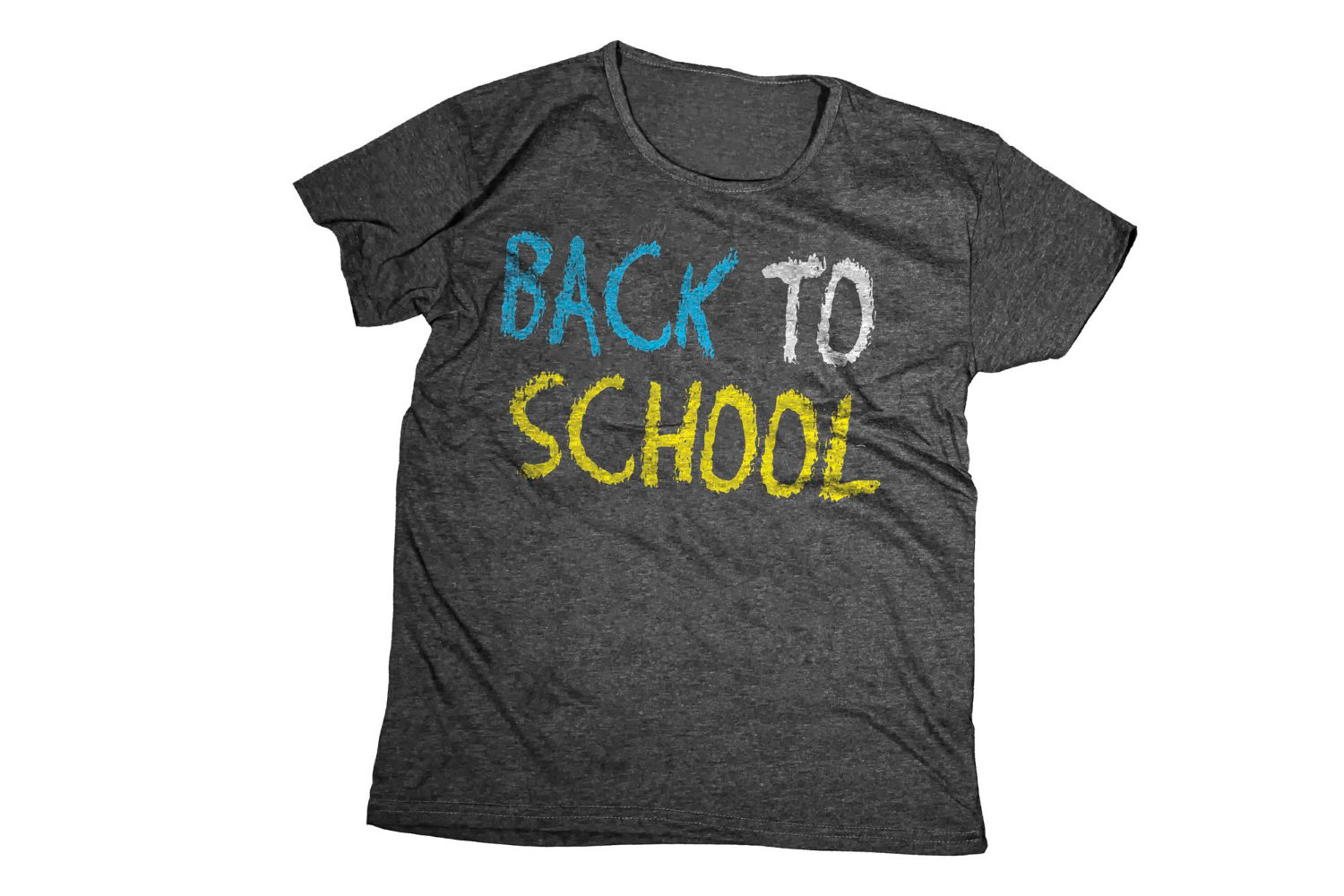
Back-to-School T-Shirt Design Ideas for Albany School Events

Back-to-School T-Shirt

The start of a new school year in Albany brings fresh notebooks, packed lunches, and a reason to celebrate. Whether it’s a field day, club kickoff, or welcome-back assembly, these events give students a chance to reconnect and build momentum for the year ahead. Custom T-shirts can do a lot to tie those moments together, giving each event a unique, memorable vibe that kids and teachers alike love to be part of.

T-shirts bring school groups and teams together visually and give everyone a way to show their spirit. From elementary to high school, having the right shirt can make a simple event stand out. The best part? Students and staff get to wear something that reflects their school pride long after the event is over. That’s why paying attention to the design matters to make sure the shirt feels fun to wear and reflects what the event’s all about.

Popular Design Themes

When it comes to back-to-school T-shirt ideas, some themes come up year after year because they work. They’re widely loved and easy to customize based on your school’s unique identity. Here are a few that always hit home:

– School Spirit Days: Add your school’s mascot, colors, and name in bold type. Whether it’s a pep rally or homecoming week, spirit-themed shirts help boost unity and get everyone excited to participate.

– Clubs and Sports Teams: Feature logos or emblems tied to specific clubs or teams. Robotics, drama, soccer, you name it—each group can showcase their identity with a graphic that represents what they do.

– Positive Messaging: Phrases like “Make This Year Count” or “Choose Kindness” can work well on a shirt. Pairing uplifting slogans with bright graphics gives off a cheerful energy that fits the back-to-school season.

– Class Year Pride: Seniors and incoming freshmen love shirts that let them rep their grade with excitement. A twist on graduation year graphics, like “Class of 2026 in Progress,” works great at the start of the year.

For example, a middle school in Albany gave each grade level a different shirt color during orientation week. Each shirt had the school’s logo and a one-word theme like “Grow,” “Explore,” or “Lead.” Not only did it make the photos look great, but students felt part of something bigger right away.

These themes all offer room for creativity, whether you’re working with bold lettering or fun illustrations. The key is to keep the look fresh while matching the energy of whatever event you’re planning.

Creative Techniques for Standout Designs

When you’re designing shirts for school events, sometimes it’s the little details that make the biggest difference. Going beyond standard prints can turn a basic T-shirt into one that students will actually want to wear again. It starts with choosing the right method of printing, then adding elements that reflect the school’s personality.

Screen printing is a go-to for large groups because the colors stay strong over time and it works well for bold logos and simple graphics. For schools looking for cleaner, higher-end finishes, embroidery is another option. It’s especially popular for staff shirts or smaller groups like leadership club or student council. Embroidery gives a polished look, especially when used on collars or jacket sleeves.

Don’t be afraid to get creative. Here are a few helpful ways to bring extra character into your T-shirt designs:

– Use bright color combinations that reflect your school’s colors but add contrast for fun.

– Choose bold, easy-to-read fonts that are playful without making the text hard to understand.

– Mix detailed mascot graphics with simple slogans to keep things balanced.

– Consider using glow-in-the-dark ink for after-school events or night sports games.

– Incorporate hand-drawn student art as a unique, personal design feature.

One Albany elementary school let each class vote on a favorite sketch submitted by their fellow students for an annual reading night. The winning design was turned into the event T-shirt, and the artist got a shout-out during the event. It made the shirt feel special and built up excitement weeks before the event even started.

Whatever technique you go with, the main goal is to create something that captures attention and sticks with people. Custom touches matter, especially when you’re working with students who want to feel seen and included.

Tips for Customizing T-Shirts for School Events

Every school event has a different vibe, which means the shirt design should match it. A field day shirt meant for running around outside has different needs than one you’d wear during an awards assembly. Knowing your event’s goal helps shape smart choices about material, fit, and function.

One big way to get designs that actually connect with students is to let them be part of the process. Even just choosing between a few colors or slogans can go a long way in boosting excitement. Let teachers and staff weigh in too. When the final product reflects the school community, more people feel proud to wear it.

Here are a few tips to level up your event T-shirts:

1. Match the fit to the event: For active days, go with breathable cotton crewnecks or sport shirts. For indoor events or photo ops, fitted or soft-blend styles might look sharper.

2. Build around the event type: Sports tournaments may need player numbers or team names. Fundraisers often look great with message-centered designs. Orientation T-shirts work well when names of specific grades or groups are printed on the back.

3. Include key event info: Adding the name and date of the event makes the shirts more memorable. It also turns them into keepsakes kids keep long after the school year ends.

4. Offer different sizes or variations: When possible, having a few choices like short or long sleeves can make staff and older students more excited to wear them.

With customization, there’s no one-size-fits-all answer. The goal is to pair the purpose of the event with a design that feels fun but functional and gives everyone something special to walk away with.

Why Quality T-Shirt Printing Matters

Getting high-quality T-shirts printed for school events is worth the extra attention. When shirts fade, peel, or come apart after a couple of washes, it doesn’t just waste time and money. It also reflects poorly on the experience. That’s why working with a professional shop helps beyond just the design process.

Good print shops understand how to recommend the right method for bulk orders, how to hit specific school colors, and how to keep sizing accurate across a variety of ages. That matters when you’re ordering shirts for an entire grade level or organizing matching shirts for volunteers, students, and staff all at once.

Many shops also help schools brainstorm design concepts or offer mockups so there are no surprises. They can recommend finishes or materials that hold up better depending on the event type and timeline. The best part is, you don’t have to deal with confusing tools, printing mistakes, or slow delivery times.

When you’ve got a big school event coming up, getting the shirts done right the first time saves stress and makes the whole thing feel more put together from start to finish.

Make Your School Event Unforgettable

A thoughtfully designed T-shirt turns a school event into a memory that lasts longer than the day itself. It ties people together and gives them something physical to show what they’re part of. Whether students wear it during the event or for weeks after, it becomes a small symbol of pride in their school and group.

By focusing on real design ideas, smart techniques, and teamwork during customization, schools in Albany can get T-shirts that feel anything but generic. The best shirts reflect the energy of the people wearing them. They’re not just pieces of clothing—they’re pieces of the school year.

Create memorable moments for your school events with unique T-shirt designs that everyone will remember. When you’re ready to bring those ideas to life, trust Xtreme Grafx for top-notch T-shirt printing in Albany Oregon. Whether it’s for a field day, fundraiser, or club gathering, our expert team is here to help you create standout apparel that reflects your school’s spirit.

Making Indoor Business Signs Work Harder in Albany Retail Spaces

Signage

When you walk into a retail store, signs are often one of the first things you see. They guide you, tell you about deals, or simply set the tone for the entire space. In Albany, Oregon, retail shops are always looking for ways to stand out and connect more with people walking through their doors. One of the simplest ways to do that is by making smarter use of indoor signage.

Indoor signs do more than share information. They direct shoppers, shape brand identity, and can even help improve how customers move around your store. To get the most from your space, your signage has to do more than just exist. It has to work. That means every sign should serve a clear purpose and be designed in a way that reinforces your brand and gets attention.

Assess Your Space and Customer Flow

Before putting any sign on a wall or display shelf, take a step back and look at your store from a shopper’s point of view. Where do people naturally walk when they come in? Which areas get crowded? Where do customers seem to linger? These are important details, because placing your signs in the wrong spots can make even the best designs easy to miss.

Here are a few quick ways to assess where signage might have the most impact:

  1. Stand at your front entrance and do a slow scan. What areas do your eyes land on first?
  2. Pay attention to corners where shoppers seem to hesitate or look around for direction.
  3. Watch how people move through your aisles. Do they take the same route most of the time?
  4. Find spots where customers commonly ask for help. Those are perfect locations for instructional or directional signs.

Positioning signs in areas that naturally pull the eye or where people make decisions, like near fitting rooms or registers, can make your messaging more effective. For example, a store in downtown Albany noticed people weren’t finding their clearance racks easily. They added a bright, waist-level directional sign pointing toward the back of the store. Sales from that section started picking up within days.

Small changes to placement often lead to noticeable results. So before thinking about your next sign’s design, take the time to understand your space and how customers move within it.

Design Tips for Maximum Impact

Once you’ve mapped out where your signs should go, the next step is getting the design right. A well-placed sign won’t help much if nobody can read it or if it blends into the background. Strong design helps your signs stand out and deliver their message fast.

Here are a few things to focus on when designing indoor signs in Albany Oregon:

  1. Use simple fonts that are easy to read from different distances.
  2. Choose bold colors that create contrast but still match your store’s overall style.
  3. Add directional arrows or symbols to help guide people quickly.
  4. Keep messages short. Aim for clear, actionable language.
  5. Make sure your logo or brand colors are visible, but don’t let them distract from the main message.

It also helps to create a consistent look across all your signs. That doesn’t mean every sign has to be identical, but they should feel like they belong in the same space. Consistency across fonts, colors, and icons makes your signage feel more professional and intentional.

The best sign designs do a job without asking for attention. They guide people, solve a problem, or introduce new offers without needing extra explanation. That kind of design doesn’t just fill empty wall space. It becomes part of the shopping experience.

Leveraging Technology in Signage

Digital signs are showing up more and more in Albany retail spaces. While traditional signage still has its place, digital options can add flexibility and variety that print signs can’t match. A screen near the front of your store can rotate through different promotions or highlight new arrivals depending on the time of day. With one display, you can do the job of several print pieces while saving floor or wall space.

Interactive displays take it a step further. These let shoppers browse products or find items in the store without needing to track down a staff member. This can make a big difference during busy hours when your team is stretched thin. They also show customers that your store is keeping up with trends and customer convenience.

If you’re not ready to fully switch to screens, even small touches like digital price tags or LED signs can add energy to your displays. The key is to use tech that fits logically with your space and your store’s vibe. A cozy local shop might benefit from using a small digital board for store hours and announcements. A larger space could test an interactive screen at the entrance to help guide first-time customers.

When done right, technology doesn’t feel distracting or out of place. It simply gives you another tool to communicate and connect.

Regular Updates and Sign Maintenance

Even well-designed signs lose their impact over time. Faded colors, old messaging, or worn materials give customers the wrong idea about your business. If your signage looks neglected, it might make people wonder what else isn’t being taken care of.

Staying on top of updates is easier when it becomes part of your routine. Try doing a visual check at the start or end of each week. Walk through your space like a customer and ask yourself a few questions:

  1. Are the signs clean and free from damage?
  2. Is the messaging still accurate?
  3. Do they fit with the current season, promotions, or store layout?

Signage isn’t set-it-and-forget-it. If you’re running a seasonal event or flash sale, update your signs to reflect what’s happening now. This is especially useful in a place like Albany where people expect stores to change with the seasons, like back-to-school in August or local fall events.

Signs should also grow as your business changes. A new product line or layout change might call for extra directionals. By treating signage as a living part of your business, you keep your space organized and make the store easier to navigate. Small updates can go a long way toward making sure your signs continue to support your goals.

Enhancing Customer Experience With Signage

Good signs don’t just give information. They shape how people feel when they walk through the door. A warm greeting near the entrance or a thoughtful message near the checkout can add a personal touch. This kind of signage makes a store feel welcoming and lets visitors know they matter.

Well-placed signs also help keep shoppers from getting stuck or confused. If someone’s unsure where to find shoes or where the fitting rooms are, they’re more likely to walk out frustrated or ask for help. Clear, simple signs create a smoother experience and help people move around with more confidence.

Think of signs as guides, not just instructions. They help lead visitors through each part of the store while supporting the feeling you want them to have. Whether that’s fun and playful or calm and professional, your signage can help set the tone.

In one small Albany shop, adding friendly hand-written style signs helped match the store’s laid-back attitude. They didn’t just show prices. They told little stories about the products and gave customers a reason to slow down, look around, and explore.

Making the shopping trip easy and memorable is what keeps folks coming back.

Boosting Your Retail Space with Effective Signs

Getting more out of your indoor signs doesn’t mean adding more signs. It means finding ways for them to serve a true purpose. When signs are placed well, designed clearly, updated regularly, and aligned with your customer’s experience, they do a lot of work in a small space.

With thoughtful signage, your retail space in Albany becomes more than just a store. It becomes easier to explore, easier to enjoy, and easier to remember. Simple changes in how you use signs can add up to better connections with customers and better results from your space.

Ready to transform your retail space in Albany? Discover how professionally crafted signs in Albany Oregon can help your store stand out and guide shoppers with ease. At Xtreme Grafx, we create custom signage solutions that boost visual impact, improve customer flow, and make every visit more enjoyable.

Digital vs Traditional Screen Printing: What Albany Businesses Should Pick

Screen Printing

For local businesses trying to stand out in Albany, screen printing plays a big role in building a visual brand. Whether that’s for staff uniforms, event gear, or promotional items, the kind of print method you choose makes a difference in how your designs look and how long they last. With both digital and traditional screen printing available, it helps to know what sets them apart before making a decision. Each one has its strengths, but they serve different needs depending on your print goals and budget.

The right screen designs in Albany can give your business a polished and professional appearance. But if the printing method isn’t the right fit, it could lead to colors fading faster or costs running higher than expected. To avoid that, it’s helpful to learn how each type of screen printing works, what situations they’re best for, and how they compare on price and turnaround time. Let’s take a closer look at what traditional screen printing offers.

The Basics of Traditional Screen Printing

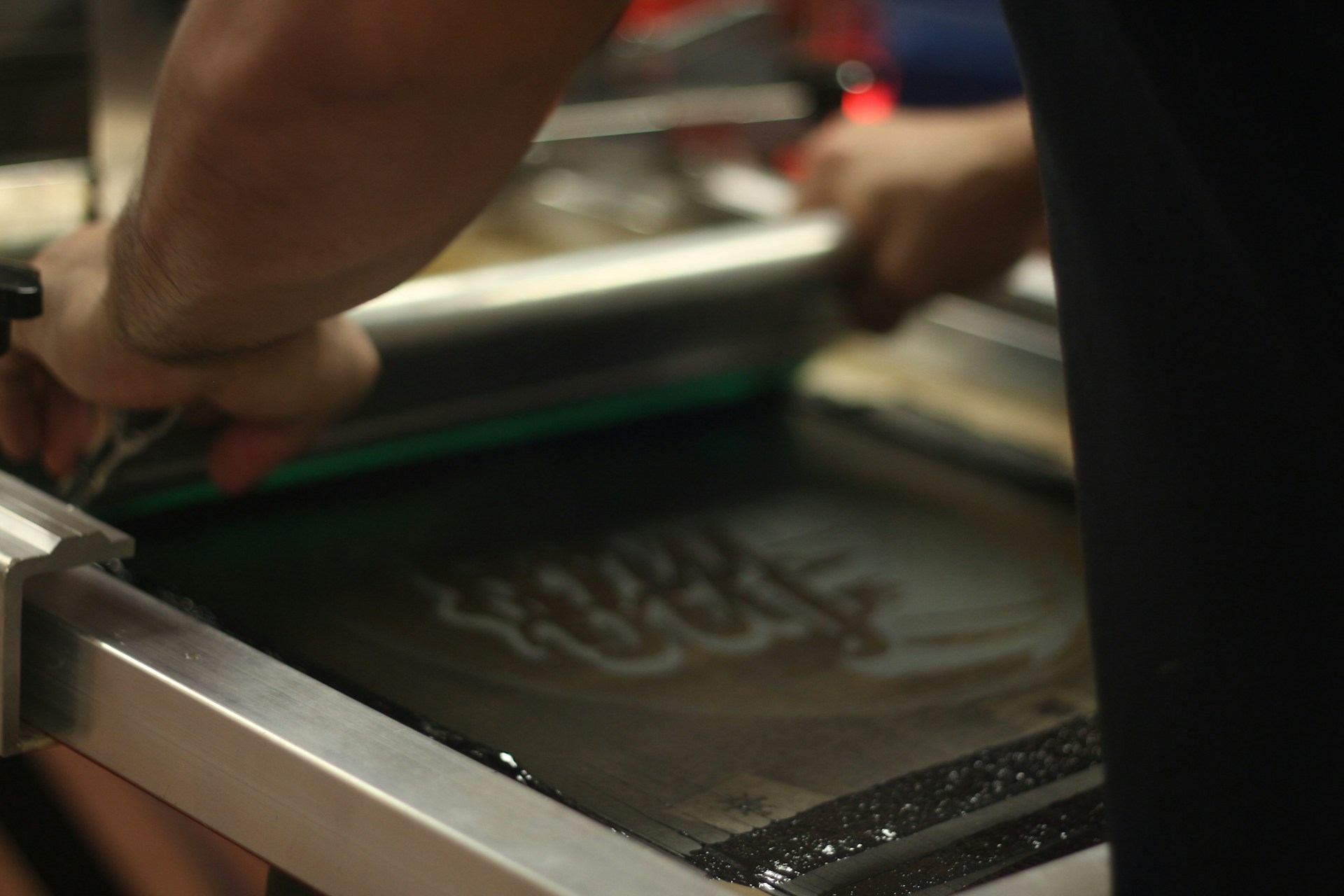
Traditional screen printing is a time-tested method that uses mesh screens to transfer ink onto fabric or other materials. Each color in the design requires a separate screen, which gets layered to create the final image. Once the screens are prepped, they’re placed in sequence, and the design is printed by pushing ink through the mesh with a squeegee.

Here’s why many businesses still choose this method:

– Great for high-volume orders

– Inks last longer and hold up well after many washes

– Colors stay bold and consistent

– Works best with simple designs and fewer color layers

Traditional screen printing takes more setup at the start. For each color in the design, a separate screen has to be made, which adds prep time. But once those screens are ready, printing in bulk becomes fast and cost-effective. It’s a solid choice if you’re printing loads of shirts or gear with the same design, especially if consistency matters across a large batch.

This process really works well for printing logos, team uniforms, or branded shirts for local events where you need consistent, long-lasting results. One example would be an Albany summer festival where volunteers need matching shirts that won’t fade by the end of the weekend. Traditional screen printing handles that kind of job easily.

Keep in mind, though, that it’s not always the go-to if you’re looking for lots of colors or just a small run of items. That’s where digital screen printing steps in.

The Benefits of Digital Screen Printing

If you’re planning to print detailed artwork or need a short run of shirts or merch, digital screen printing might be the better option. This method skips the multi-screen setup and instead prints directly from a digital file onto the fabric, kind of like a home printer but for clothing. It’s faster to start and easier to update designs, especially if you want to switch things up often.

Here’s what makes digital screen printing stand out:

– Works well for small quantities

– Great for complex images with lots of color

– Quicker setup time, no screen-building needed

– Easier changes between runs or projects

A local boutique in Albany offering limited-edition t-shirts with detailed artwork, for example, could benefit more from a digital print. It allows them to print smaller batches without paying for setup and screen costs. Plus, the quality in terms of color blending and photo-realistic finishes is often better with digital when you have detailed designs.

Still, digital printing has its downsides. Prints might not hold up as long as traditional screen prints after heavy washing, especially on items worn a lot. It can also get more expensive by the piece if you plan to scale up. So it’s best for design-heavy, small jobs or variable prints rather than bulk uniform printing.

Comparing Costs and Turnaround Times

Cost and time are often the deciding factors. Both print methods vary depending on the project size and design quality.

Here’s a quick breakdown:

1. Traditional Screen Printing

– Lower cost per item on large runs

– Longer setup and prep time

– Better choice when quality and volume are both high

2. Digital Screen Printing

– More cost-effective for one-offs or short batches

– Quick turnaround, especially for small jobs

– Ideal for sample runs or quick custom designs

Albany businesses on a tight schedule might lean toward digital if they’re short on time. But if there’s flexibility and a big batch to produce, traditional printing usually wins out on price per item. The balance between quantity, timeline, and design complexity often helps guide the final call.

Making the Right Choice for Your Albany Business

There isn’t one easy answer that fits every business. It depends on how many items you’re printing, the details in your design, and how durable your prints need to be. Both digital and traditional options can work well. Your best approach is narrowing down what matters most.

To help make the right call, ask yourself the following:

– Are you printing a large batch of the same design?

– Do your prints need to last a long time with repeated washes?

– Are your designs highly detailed or include photos?

– Do you need a quick turnaround?

– Are you planning to reorder the exact same design more than once?

These questions help figure out which printing method is the better fit for your project. For big community events, sports teams, or corporate uniforms, traditional printing is usually more reliable and better on cost for big runs. For smaller shops, seasonal collections, or limited edition merch, digital might be the smarter way to go.

No matter what you decide, screen designs in Albany can be matched to your brand’s style, your project size, and your deadlines when you’ve got a plan in place.

Ready to Print the Right Way

When it’s time to order printed gear, shirts, or signage, picking the best printing method can save time and money while making your brand look good. Think about how the merch will be used, how much wear it’ll get, and how detailed your designs are. Sometimes paying less upfront ends up costing more if quality doesn’t hold up. Other times, fast printing might be worth more than long-term durability.

Businesses throughout Albany depend on materials that hold up well and present their brand effectively. Whether you’re outfitting staff, selling merch, or producing custom gear for an event, understanding how digital and traditional print methods compare can help you get results you’ll be proud of. With the right screen printing strategy, your branding will stay sharp and your investments will last.

Ensure your business stands out with vibrant and effective branding solutions. At Xtreme Grafx, we specialize in creating impactful screen designs in Albany that resonate with your target audience. Let us help you bring your vision to life with customized screen printing services tailored to your goals.

Removing Stubborn Dirt from Vehicle Wraps Without Damage

Clean Vehicle Wraps

Vehicle wraps are a great way to keep your fleet looking sharp and make your brand stand out on the road. Whether it’s a full wrap or partial graphics, they act as moving billboards that catch the eyes of people across town. That only works if the wraps actually stay clean and visible. Dust, tree sap, bird droppings, and bugs can quickly build up, leaving marks that affect how your vehicles look and how long the wrap lasts.

In places like Albany, Oregon, where summer brings dry dust and sticky tree debris, keeping wraps clean can be a bigger hassle. Regular washing helps, but stubborn grime has a way of sticking around in grooves and around edges. The challenge is getting rid of that buildup without causing cuts, fading, or peeling in the vinyl. Wiping too hard or using the wrong product isn’t worth the damage. That’s why learning the right methods matters.

Gentle Cleaning Techniques

When it comes to cleaning vehicle wraps, the biggest mistake people make is using tools or products that are too tough. A wrap isn’t like regular paint. It’s a film over the surface of your vehicle, and it can tear or lift if you apply too much pressure or use the wrong thing to scrub. The way to keep it looking clean and sharp is by playing it safe right from the start.

Mild cleaning solutions are best. Skip anything with alcohol, bleach, or ammonia. These can start to break down the vinyl or remove the printed color. Stick with water mixed with a bit of dish soap or a cleaner specifically made for vehicle wraps. The goal is to lift dirt off the surface, not burn or scrape it off.

Here are some ways to wash your wrap without doing harm:

  1. Use soft microfiber cloths or foam sponges. Avoid anything with bristles.
  2. Gently rinse the surface with water to loosen up dirt before starting to scrub.
  3. Wash in sections so soap doesn’t dry out before it gets rinsed off.
  4. Always wipe in straight lines instead of circles to avoid swirl marks.
  5. Dry with a clean microfiber towel to keep water spots from setting in.

A good schedule also goes a long way. In Albany’s dry summers, weekly or biweekly cleaning helps keep dust from baking onto the surface. For areas under heavy trees or near construction zones, a little more attention may be needed. Quick cleanups after road trips or heavy rain can also stop grime from sinking in and becoming harder to remove later on.

Using Water For Effective Cleaning

Water is your best cleaning partner when used the right way. That said, the temperature and pressure matter more than most people think. Using hot water or spraying too close with high pressure can leave wraps with creases, lifted edges, or printed colors that fade unevenly. That’s where many wrap owners run into trouble.

Lukewarm water is your safest bet. It helps loosen dirt and road film without softening the vinyl. Cold water may work in some cases, but it isn’t as effective with bug splatter or sticky dust, especially during July and August when road surfaces in Albany throw more debris onto lower panels.

As for pressure, be extra careful. High-pressure washers are tempting because of how fast they seem to work, but they can do some damage if you’re not using them right. Over time, poor technique can cause corners to curl and seams to peel open. If you’re using a pressure washer, stick to these best practices:

  1. Use a wide spray tip (40-degree) to spread out the water evenly.
  2. Keep pressure below 1200 PSI.
  3. Maintain a distance of 12–18 inches between the nozzle and the surface.
  4. Spray at a 45-degree angle, never head-on at edges or seams.

If someone points the water directly at a lifted edge or decal border, it can work its way under the surface and loosen the wrap from the body of the vehicle. Once it starts peeling, it’s hard to stop. That’s why doing it right from the start saves time and avoids headaches later. Proper techniques prevent damage and make pressure washing wrap methods much safer in the long run.

Spot Cleaning Tough Stains

Even if you wash regularly, certain stains don’t budge so easily. Things like tree sap, bug guts, bird droppings, and tar are sticky by nature and tend to bond right to the surface of your vehicle wrap. These aren’t just ugly—they can also lead to discoloration or damage if they aren’t removed the right way.

It’s smart to deal with these spots as soon as you notice them. The longer they stay on the wrap, especially under the summer sun in Albany, the harder they are to remove. It might be tempting to scrub at them, but that can lead to scuff marks or even peel the wrap.

Here’s how to handle them properly:

  1. Rinse the area with lukewarm water to loosen what you can.
  2. Use a wrap-safe cleaner or one recommended for automotive vinyl. Avoid all-purpose cleaners sold in stores that contain harsh chemicals.
  3. Apply the cleaner gently using a damp microfiber towel. Let it sit just long enough to start lifting the stain.
  4. Lightly wipe the area without a lot of pressure. If the stain remains, reapply and wait again. Patience works better than force.
  5. Rinse thoroughly and dry with a clean towel.

Avoid using any abrasive pads, scrapers, or household degreasers. These may clean part of the stain but will usually damage the wrap’s texture or fade the printed color. One example is tar from fresh street repairs, which may splatter on lower panels. Letting it sit just one hot afternoon can cause it to harden. If this happens, it’s best to stop trying yourself and reach out for professional help before any damage is done.

Why Hiring Professionals Makes a Difference

When the usual methods don’t deliver the results you need or if you’re nervous about causing damage, there’s no harm in calling in professionals. They have the experience and tools to deal with stains, grime, and wrap wear without making the problem worse. Having the right skills for pressure washing wrap material matters more than most people think.

Professionals know how to spot early signs of wrap lifting, separation on seams, or areas at higher risk for cracking. They also have access to cleaners and brushes made for vinyl surfaces, which tend to be hard to find in regular auto aisles. From the water temperature to the angle of the pressure washer, every step is done with care.

Local crews in Albany are also familiar with region-specific problems like pollen buildup during spring, loose dust storms during dry months, or sap from shaded tree-lined neighborhoods. Whether you’ve got one wrapped van or a full fleet, a skilled team will handle each one with the proper process and attention to detail.

Having that help on a scheduled basis is good insurance against bigger issues down the line. It sets a standard for how your vehicles are cared for and keeps them running clean without downtime or wrap failure.

Make Routine Wrap Care Part of Your Summer Plan

Keeping wraps clean in Albany’s dry, dusty summer takes more than a quick rinse now and then. Whether it’s loose debris from backroads or a sticky mess left behind from parking under trees, it tends to pile up fast and it doesn’t come off easy.

If you’re using a painted vehicle, a wash might be enough. But for a vinyl wrap, improper cleaning can lead to damage that adds up over time. Peeling, fading, discoloration, and lift lines don’t just look bad. They shorten the life of your wrap and make it harder to maintain your brand’s look on the road.

Knowing what to use, how to use it, and when to switch from hands-on care to professional services helps you protect your investment. Regular attention using safe products and techniques, especially during the hotter months, goes a long way toward keeping your wraps sharp for longer. You don’t need new wraps more often than necessary, and proper care keeps those from fading too soon.

When you build regular cleaning into your summer routine, everything runs smoother. Your vehicles stay presentable, your message stays front and center, and your wraps last as long as they should.

Ready to keep your vehicle wraps looking their best even through Albany’s toughest conditions? At Xtreme Grafx, we specialize in pressure washing wrap materials to help your fleet stay vibrant and damage-free. Let us help extend the life of your wraps and keep your brand looking sharp on the road.

When Is It Safe to Pressure Wash Your Commercial Fleet Wraps

Fleet Wraps Washing

Keeping your commercial fleet looking clean and professional isn’t just about appearances. It’s part of how your business is seen every day. Whether your fleet rolls through city streets or drives along rural roads, those vehicles are often the first thing potential customers notice. Fleet wraps work hard to carry your brand wherever your drivers go. Just like anything else that’s used daily, they need care to stay in top shape.

One question that comes up often is whether pressure washing is okay for vehicles with wraps. Pressure washing can be a fast way to clean off dirt, pollen, dust, or winter buildup, but without the right approach, it can do more harm than good. This is especially true in Albany, Oregon, where changing weather patterns bring everything from rain and road salt to summer dust and tree sap. Knowing the safe way to clean wrapped trucks matters a lot when it comes to protecting your fleet and your brand.

Understanding the Sensitivity of Fleet Wraps

Fleet wraps may look tough, but they’re made from layers of vinyl that react to the environment and how they’re handled. Vinyl is flexible and can conform to curves and corners, which makes it ideal for vehicle branding. But that same characteristic makes it vulnerable if the cleaning isn’t handled properly.

Improper cleaning methods can lead to color damage, peeling edges, or bubbling. Strong water pressure, harsh chemicals, or using rough tools can cause real issues. For example, a high PSI setting on your washer could tear a seam or push water underneath the wrap. Spraying too close or hitting a seam head-on could make the vinyl lift away from the surface.

Here are a few common results of poor cleaning techniques:

– Color fading in areas exposed to strong cleaners or direct sun

– Edges peeling up at corners, seams, and decals

– Scratches or swirl marks from dirty cloths or bristle brushes

– Water getting beneath the wrap and weakening the adhesive bond

While you can’t avoid daily wear on the roads, you can choose how your team cares for those wraps. Understanding the safest approach helps prevent damage and keeps the fleet looking sharp longer.

Conditions for Safe Pressure Washing

Pressure washing is a practical method for cleaning large vehicles, but it has to be done just right. The wrong pressure or technique can cut the life of a wrap short. Done correctly, it can remove tough grime and save time without hurting anything.

Here are the key things to remember if you’re using pressure washing for a truck wrap:

  1. Keep the pressure under control. Use water pressure under 1200 PSI. Going higher can easily tear or lift the wrap.
  2. Use lukewarm water. Avoid hot water because it can weaken the wrap material and adhesive.
  3. Watch your distance. Keep at least 12 inches between the nozzle and the wrap to avoid hitting it too hard.
  4. Use the right angle. Always spray at a 45-degree angle and not directly into seams or edges.
  5. Choose your cleaner wisely. Go with mild detergents labeled vinyl-safe. Skip anything with alcohol or harsh chemicals.
  6. Avoid bristle or spinning brushes. These tools can trap grit and scratch the wrap or even rip it.

If you’re unsure about how your setup might react with the wrap, test a small area that’s not easily visible. Taking that extra moment could save you from dealing with a big problem.

Pre-Wash Preparations and Steps

Before you power up the washer, take a careful look at your vehicle. Check the wrap for cracks, peeling edges, or other weak spots. These areas are more likely to take damage if pressure washing hits them unprepared. If possible, wash your fleet out of direct sunlight on days when the surface of the wrap isn’t too hot. A hot surface can lead to stretching or softening, which helps nothing.

Once you’ve inspected the wrap, gather the right tools. You’ll need a soft-bristle brush, your pressure washer with a wide-tip nozzle, gentle detergent intended for vinyl, and access to lukewarm water.

Follow these steps for best results:

  1. Rinse off dirt using plain water on a low setting before applying detergent.
  2. Start with a spot test on a lower, out-of-sight panel.
  3. Spray on wrap-safe detergent using low pressure and let it sit for a minute.
  4. Use your soft brush to gently clean away dirt, grime, and bug residue.
  5. Rinse everything with clean, lukewarm water, still maintaining your distance and angle.

Watch your spray direction carefully near logos, seams, and decals. Spraying too closely could force water under the surface or make the vinyl curl.

Post-Wash Care

After washing, make sure water doesn’t air-dry and leave marks. Dry your vehicle using a microfiber towel or a clean squeegee, moving in the direction of the wrap lines. Avoid circular drying as it can leave streaks or damage the surface.

Once everything is dry, give your vehicle another once-over. Look for any signs of bubbling, lifting, or leftover residue hiding in seams or corners. These sneaky spots can trap grime and lead to hidden issues down the line.

Keep your wraps clean with these regular care habits:

– Park your fleet in shaded areas when possible. UV rays can wear out colors quickly.

– Remove bird droppings and tree sap as soon as possible. Letting them sit can stain the vinyl.

– Wash lightly and more often instead of waiting for layers of grime that require intense scrubbing.

– Don’t apply wax or polish unless it’s one made specifically for vinyl wraps.

A little attention can go a long way. These habits help lengthen the life of your wrap and keep your branding visible and fresh every day.

Keep Your Fleet Looking Its Best

The way you clean your fleet wraps has a lasting impact. Pressure washing for a truck wrap in Albany, Oregon can be safe if done with the right care, tools, and a little patience. Avoid shortcuts, use wrap-safe products, and steer clear of damage by keeping everything at the right pressure and angle.

Whether your trucks drive through rainy backroads or dry summer routes, regular care is worth the effort. A clean, well-maintained wrap is more than vehicle protection. It helps your business make a strong impression with every mile driven.

When your team is short on time or unsure about the safest methods, hiring professionals can give you peace of mind. Having experienced help means your fleet stays clean while avoiding costly wrap damage. Taking these steps to care for your wraps will help your trucks carry your message loud and clear wherever they go.

Regular maintenance of your fleet’s wraps is key to keeping them fresh and professional. When it comes to methods like pressure washing for a truck wrap, it’s worth trusting the experts to ensure the best care for your vehicles. At Xtreme Grafx, we understand the importance of proper cleaning techniques to extend the life of your wraps. Let us help keep your fleet looking its best with our expertise and dedication to quality.

Cleaning Products That Can Damage Your Matte Car Wrap

matte car wrap

Matte car wraps have become a popular choice for personal and commercial vehicles because of their sleek, non-reflective finish. The look sets your vehicle apart without being too flashy, which is part of the appeal. But unlike traditional paint or glossy wraps, matte finishes need a little more attention when it comes to keeping them clean and damage-free.

Improper cleaning can be all it takes to shorten the lifespan of a matte car wrap. Some store-bought products may work well for other surfaces, but matte finishes are sensitive to harsh chemicals and tools. Understanding what to avoid and what to use can help you protect your wrap from stains, fading, and wear. This kind of care becomes especially important during busier seasons like summer in Albany, when cars are exposed to more road grime and heat.

Common Cleaning Products to Avoid

When it comes to matte car wrap maintenance, what you don’t use is just as important as what you do. Even one wrong product can dull the finish or cause permanent blemishes. Here are the top cleaning solutions and materials to steer clear of:

1. Abrasive Cleaners

These include powders or liquids loaded with hard scrubbing agents. Many common household cleaners fall into this category. They’re designed to scour, which means they can scratch or rough up a matte surface without even trying.

2. Solvent-Based Cleaners

Anything that contains alcohol, ammonia, or acetone must stay far away from your wrap. These solvents break down grime and grease, but they also strip away the protective layers of your wrap, leaving spots or discoloration behind.

3. Wax and Polish Products

Regular wax may protect car paint, but it doesn’t work the same way on a wrap. Polishes and waxes are made to create shine, which goes against the entire matte finish. Over time, they lead to uneven textures and shiny patches.

4. Wash-N-Wax Soaps

It might sound convenient, but many of these combo products still contain polymers designed to add gloss. Even if a bottle says it’s safe for wraps, that doesn’t always mean it’s good for matte ones specifically.

5. Rubbing Compounds and Buffing Pads

Some people try to fix stains or marks by buffing them out. This works on paint, but on vinyl, it cuts through the surface texture and that texture isn’t coming back once it’s gone.

Stick to products that are labeled as safe for matte wraps or matte vinyl. If it doesn’t clearly say so, it’s better to leave it on the shelf. One example we’ve seen around Albany involved someone using a basic multi-surface cleaner on their wrapped hood. The result was blotchy spots that looked like oil stains, even after the car was rinsed.

Using the wrong cleaner even just once can do real damage. That’s why understanding which products are harmful helps you save both time and repair costs in the long run.

Safe Alternatives For Cleaning Matte Car Wraps

If you want your matte car wrap to hold its look and feel, you’ll want to choose products and tools that are gentle but effective. Cleaning a wrap doesn’t have to be complicated. It just takes the right approach and a bit of attention to detail.

Look for cleaning products that clearly say they’re safe for matte surfaces. These are usually pH-balanced and don’t have gloss additives. Stay away from anything with shine enhancers or protectants, unless it’s made specifically for matte vinyl. Waterless car wash solutions for matte wraps can come in handy too, especially if you’re on the go and need a fast clean.

When it comes to tools, softer is better. Use:

– A microfiber towel for wiping down panels
– A foam or wool wash mitt to avoid streaks
– A two-bucket method (one for soap, one for rinse) to keep dirt from settling back onto the wrap
– A gentle spray nozzle instead of a pressure washer if you’re rinsing

Avoid circular scrubbing motions, which can leave marks. Go for straight-line swipes and rinse frequently to prevent grit from building up.

It’s also a good idea to avoid washing your car in direct sunlight. Letting cleaner dry too quickly on the surface can lead to water spots that are tough to remove from matte vinyl. A shaded area or overcast day makes for a better wash setting.

Tips For Regular Matte Car Wrap Maintenance

Keeping your wrap in good shape isn’t just a one-time job. It’s all about what you do on a regular basis that makes the biggest difference over time.

Start with a simple schedule:

– Wash the car every two weeks during dry months
– Increase to weekly cleans if you drive near lots of dust, pollen, or road construction
– Spot-clean bird droppings or bugs right away before they sink into the vinyl

Even the best products won’t help much if dirt and grime are allowed to sit for too long. A quick rinse after a trip through muddy roads or dusty work areas can do more than you’d think.

Protecting your wrap also means being mindful of where you park. Avoid long stretches of time under sap-heavy trees or next to sprinkler systems that leave water marks. If you can’t park under cover, a breathable car cover can make a difference without trapping moisture.

Taking a few small steps frequently will save you the trouble of big clean-ups later. The smoother your routine, the easier the care will feel.

Maintaining Your Matte Car Wrap In Albany’s Climate

Albany summers can be warm and full of dry debris like dust, pollen, and tree fallout, which easily stick to vinyl wraps. At the same time, cooler seasons introduce more rain, mud, and standing moisture. These shifts in the environment mean your car wrap sees a big range of stress each year if it’s parked outside often.

Summer in Oregon usually means more daylight driving and longer exposure to the sun. Although most wrap materials today have UV resistance, it’s still wise to wash your vehicle more often during this season. You’ll cut down on buildup and reduce the risk of fade, especially if your car spends time parked at trailheads, farms, or construction zones.

In the winter, road salt and wet grime can collect along the lower panels and wheel wells. Take extra care rinsing that area and drying it afterward. Don’t let moisture stay trapped there for days at a time. That’s where things start to loosen or bubble. Checking your wrap now and then for lifting edges helps too, so you catch potential damage early.

Albany’s wet seasons mixed with sunny stretches make it even more important to commit to a steady maintenance schedule. The more time your wrap sits in these mixed conditions without cleaning, the more likely it is to lose color or texture.

Keeping Your Wrap Looking Great Year-Round

Even with good cleaning habits, there are times when a wrap needs professional touchups to stay fresh. A wrap can last longer with detailing support that goes deeper than a home wash. If you notice unusual marks or fading that won’t rinse away, a professional detailing service can treat those spots without causing more harm.

It’s also helpful to get a quick inspection once or twice per year. Sometimes a small edge peel or lifted strip can be fixed easily before it becomes a bigger issue. Professionals use tools and products designed specifically for matte wrap maintenance, so there’s less risk of accidental damage.

Not every cleaning job should be handled on your own. In fact, trying too hard to fix a dirty spot can do more harm than good. If you’re ever unsure, it’s better to stop and consult someone familiar with vehicle vinyl.

Keeping up with a few small checks throughout the year goes a long way. It helps your vehicle look just as sharp in its third or fourth year as it did right after the wrap install.

Give Your Wrap The Attention It Deserves

Matte car wraps look great because of their unique finish, and they stay that way when cared for properly. Using the wrong cleaner can damage your wrap fast. That’s why picking safer options and sticking to a regular routine is worth it.

The local weather in Albany throws a mix of challenges, so building smart habits through the year helps you stay ahead of damage. Whether you wash your car by hand or hire someone to clean it for you, the key is being consistent and gentle. By avoiding harsh products, cleaning on schedule, and looking out for early wear, you get the most out of your wrap while keeping your car looking clean and sharp.

Preserving the quality and appearance of your matte car wrap is a task worth investing in. It keeps your vehicle looking sharp while helping extend the wrap’s lifespan. If you’re in Albany and ready to upgrade your care routine, our matte car wrap maintenance services at Xtreme Grafx are here to help you keep your vehicle in top shape, season after season.